

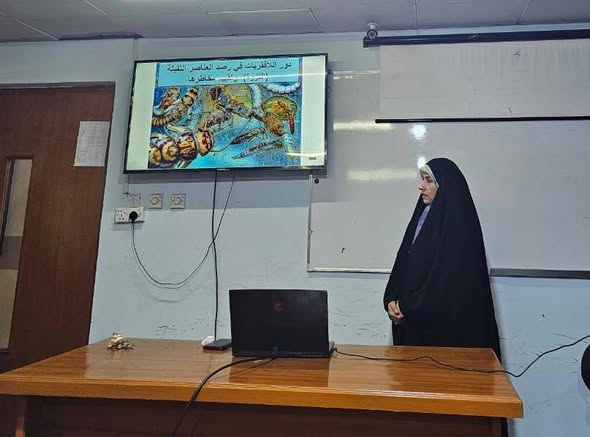
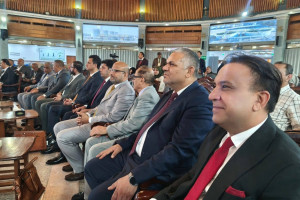
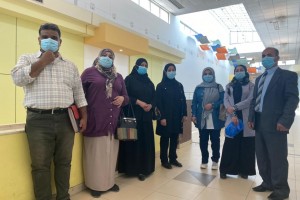
The Marine Science Center organized a training course entitled “The Role of Invertebrates in Monitoring Heavy Metals and Assessing Their Risks.”
The course aimed to provide participants with a general introduction to linking environmental science, toxicology, and general nutrition to address the challenge of heavy metals from a practical and applied perspective, using living organisms as basic tools.
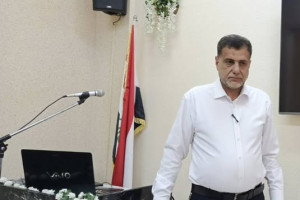
The course, presented by Dr. Nada Mufid Abdul Latif, Dr. Mayada Hussein Ahmed, and Dr. Khalid Khassaf Saleh, addressed the use of invertebrates (such as mollusks and aquatic insects) as effective bioindicators for monitoring and assessing the risks of heavy metals, as these metals accumulate in their tissues and exhibit physiological and molecular responses (such as metallothionein production or autophagy activation) to pollution, providing early warning to ecological communities They also help assess health risks to consumers by monitoring pollution levels in seafood and warning of the most dangerous periods of consumption (such as the dry season).
Marine Science Center Media
Important News

viewed most
.jpg)
.png)